
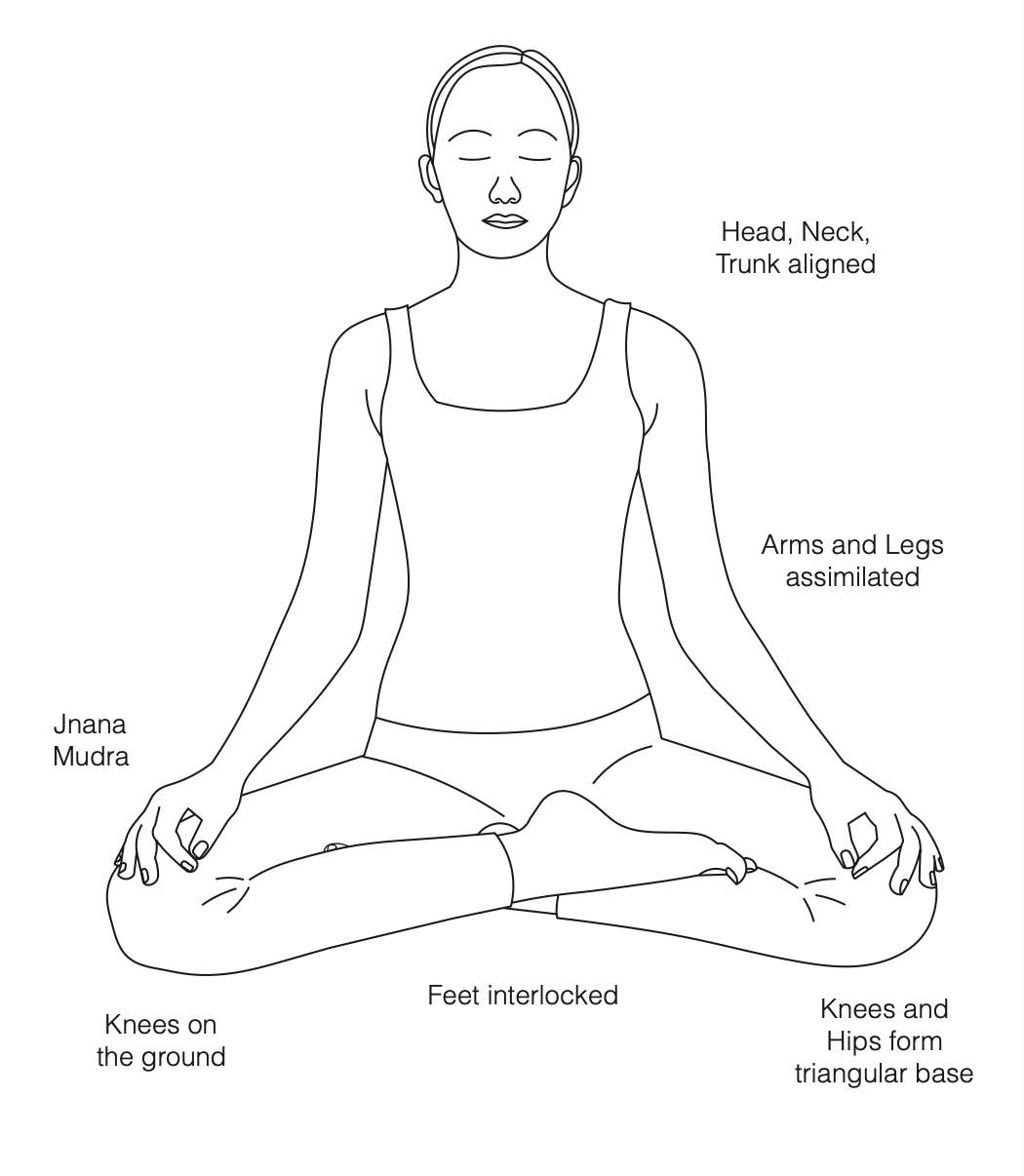
HOw to sit in meditation part 2/2
Building on the foundations of Part 1, this post takes you through the remaining classical seated postures: Ardha Padmasana, Padmasana, Svastikasana, and Siddhasana. It is structurally sound, accessible with practice, and the most practical posture for pranayama and highly recommended for those who aspire to gain mastery in systematic meditation. The post closes with a simple guiding principle—the best posture is the one you can actually sit still in. It provides a realistic roadmap from chair to floor, grounded in patience, consistent loosening exercises, and honest self-assessment rather than ambition.
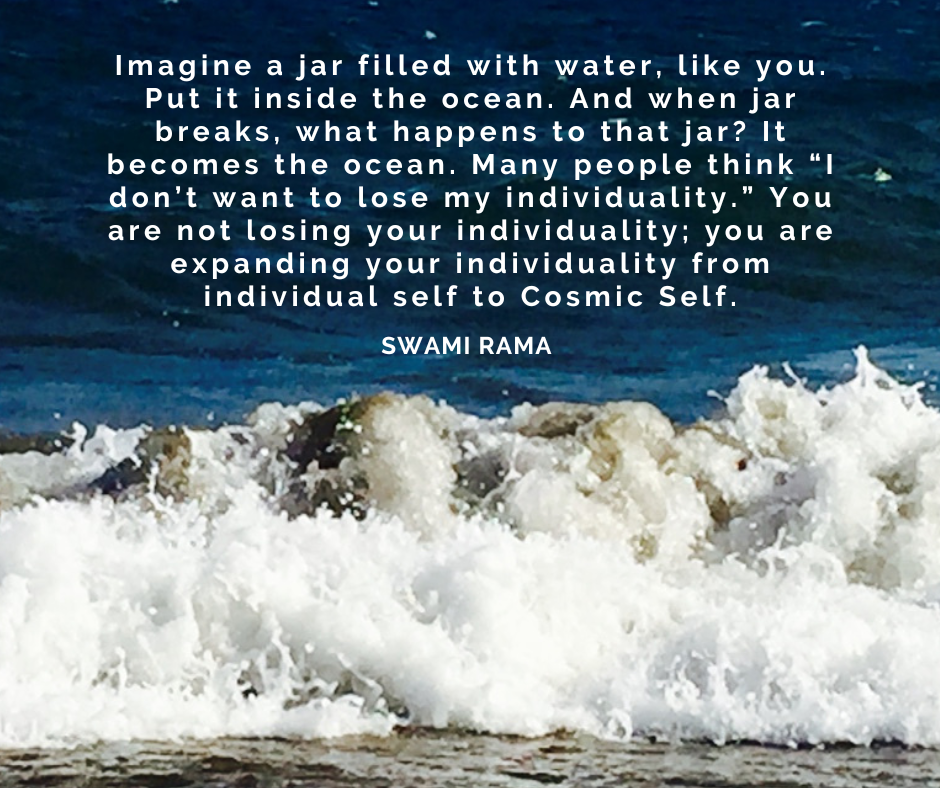
Six kinds of evolved beings
With a profound experience of Samadhi you suddenly become aware of your true nature, which is Individual Consciousness. The first glimpse of Individual Consciousness is a shocking event which can open the locked gates to new worlds. A mystic is born.
Teachings of samaya srividya as taught in the lineage of swami rama
The Samaya Srividya Tradition is a privileged option for those who have reached an advanced stage in the cycle of death and rebirth and aspire to end this cycle and attain liberation in this lifetime.
There are three main stages of diksha, “initiation” given in this lineage of the Samaya Srividya Tradition.
Mantra, breath awareness and meditation
Inner worship of Srividya and Bindu bhedhana or piercing the pearl of wisdom
Shaktipata and leading the force of kundalini to the thousand petalled lotus called Sahasrara chakra.

Five categories of the mind
There are five categories of the mind: disorganized, stupefied, divided, one-pointed and the mind in a state of equilibrium. This article, explaining these five categories, is an excerpt from my book The Yoga Sutras Illuminated.

Nine Obstacles in practice
There will be obstacles in practice as one proceeds on the path of self-knowledge. Without these obstacles, we would return to the natural state very easily. The natural energies are like a river which has been dammed —when the dam is removed, the water begins to flow. So, as you remove the obstacles, the energy starts flowing naturally and consciousness expands.

Asanas
Asana means “seat” in Sanskrit. In Yoga, the different poses or postures are called asanas. There is only one sutra in The Yoga Sutras of Patanjali that mentions the word asanas. It says: Sthira sukham asanam. Sthira means “steady” and indicates a static pose without movement. While sukham typically means “happy,” it means “comfortable” or “relaxed” in this case. This sutra indicates that The Yoga Sutras are referring to static poses, not done in the spirit of competition.